
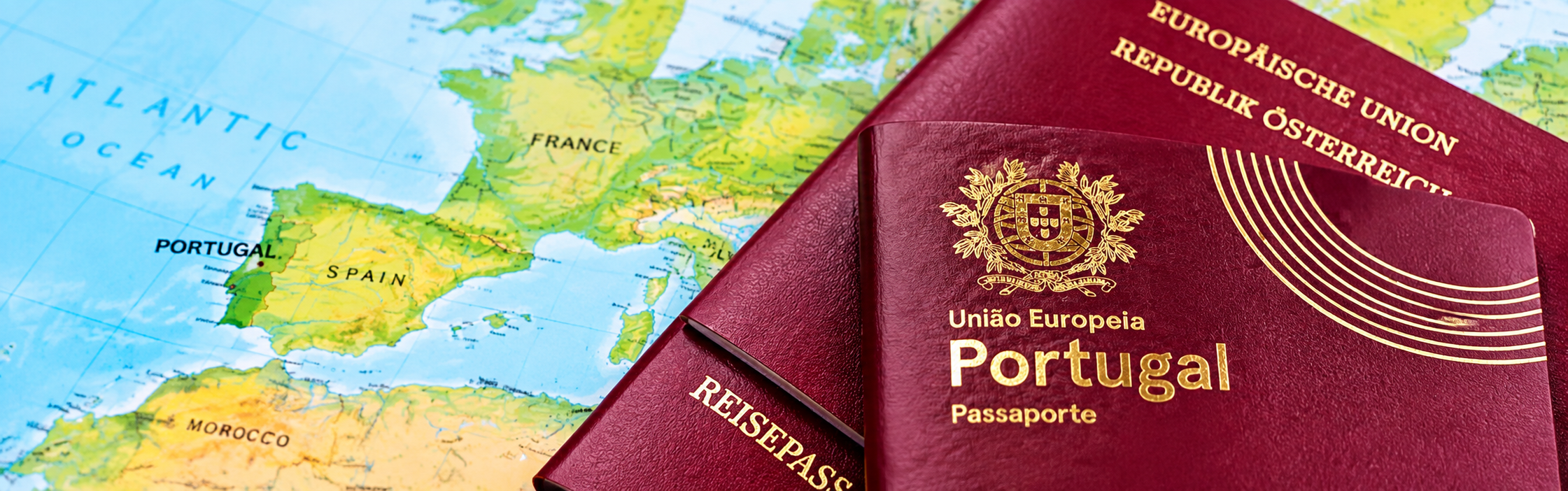
Home > Blog > Portugal Immigration: Complete Guide to Moving and Living in Portugal
Portugal Immigration: Complete Guide to Moving and Living in Portugal
Portugal has become a popular destination for people who want to work, study, retire, start a business, or build a new life in Europe. Its pleasant lifestyle, diverse cities, growing business environment, and access to the European market make it an attractive option for immigrants from around the world.
However, moving to Portugal requires careful planning. Understanding the Portugal immigration process, choosing the right immigration route, preparing the required documents, and following the correct application procedure can make the relocation process easier.
This guide explains the main Portugal immigration options, requirements, application process, residence permits, and important factors to consider before moving to Portugal.
What Is Portugal Immigration?
Portugal immigration is the legal process through which foreign nationals enter Portugal and obtain permission to live, work, study, or carry out other permitted activities in the country.
For non-EU/EEA/Swiss citizens, moving to Portugal for a long-term stay generally requires an appropriate immigration route. Depending on the purpose of the move, applicants may need a national visa and, where applicable, a residence authorization.
Portugal’s immigration authority is the Agência para a Integração, Migrações e Asilo (AIMA). It is responsible for various immigration, residence, and integration-related procedures. You can check official updates directly on the https://aima.gov.pt/pt
The appropriate immigration route depends on your personal circumstances and the reason you want to move to Portugal.
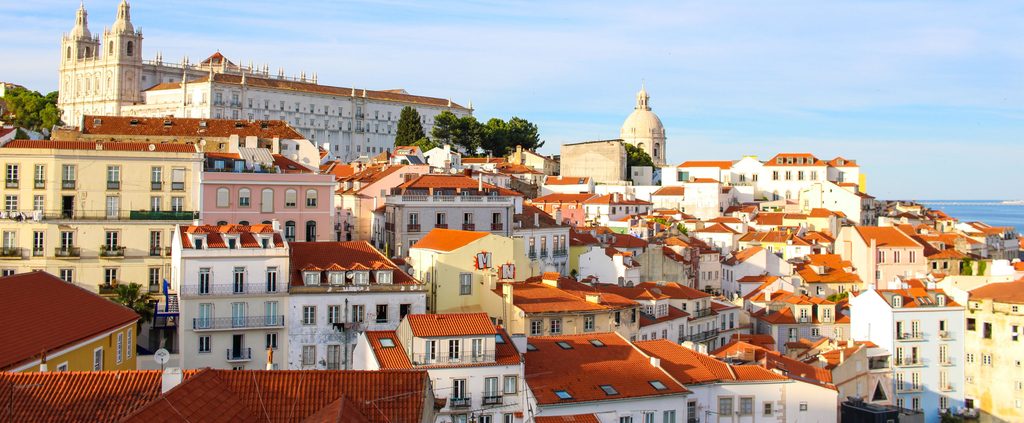
Main Portugal Immigration Visa Options
Portugal offers several immigration pathways for people with different goals and professional backgrounds:
- Portugal offers several immigration pathways for people with different goals and professional backgrounds:
- Portugal Work Visa
- Portugal Digital Nomad Visa
- Portugal D Category Visa
- Portugal Student Visa
- Portugal Entrepreneur Visa
- Portugal Family Reunification Visa
Each route has its own eligibility conditions and documentation requirements. Applicants should select the immigration option that matches their purpose and personal circumstances.
Portugal Immigration Requirements
The requirements for Portugal immigration vary depending on the selected visa and residence category. However, applicants may commonly need several basic documents to support their application.
Common Documents
- A valid passport
- Completed visa application forms
- Recent passport photographs
- Criminal record certificate
- Proof of accommodation
- Proof of sufficient financial resources
- Health or travel insurance, where applicable
- Employment or professional documents
- Proof of education or university admission, where applicable
- Additional documents required for the selected immigration route
Documents issued outside Portugal may need authentication, legalization, or certified translation depending on the document and country of origin.
It is important to check the latest requirements before applying because Portugal immigration rules and administrative procedures can change.
Once in Portugal, most new residents will also need to obtain a NIF (Número de Identificação Fiscal) — a tax identification number — and a NISS (Número de Identificação da Segurança Social) — a social security number. These are required for everyday essentials like opening a bank account, signing a rental agreement, starting a job, and accessing healthcare.

How to Apply for Portugal Immigration
The Portugal immigration process usually involves several stages. Preparing everything in advance can help applicants avoid unnecessary delays.
Step 1: Choose the Right Immigration Route Determine why you want to move to Portugal — employment, education, remote work, retirement, entrepreneurship, independent professional activity, or family reunification. Choosing the correct route matters because each category has different requirements.
Step 2: Prepare Your Documents Collect the necessary documents. Make sure your passport, certificates, financial records, accommodation documents, and other supporting paperwork are valid and complete. If a document needs translation or legalization, complete those requirements before submitting your application.
Step 3: Submit Your Application Applicants who require a residence visa generally submit their application through the appropriate Portuguese consular authority or designated application center. The exact process can vary depending on the applicant’s country of residence and the type of visa being requested.
Step 4: Travel to Portugal After your visa is approved, you can travel to Portugal according to the conditions of your visa. A residence visa and a residence permit are not necessarily the same thing — depending on the immigration route, additional procedures may be required after arrival.
Step 5: Complete the Residence Process After arriving in Portugal, eligible applicants may need to complete the residence authorization process with AIMA. Once approved, the residence authorization allows qualifying foreign nationals to legally live in Portugal according to the conditions of their immigration status.
Portugal Residence Permit
A Portugal residence permit allows eligible foreign nationals to legally reside in the country. The validity of a residence permit depends on the type of authorization and the applicant’s circumstances. Temporary residence permits may be renewable when the holder continues to meet the applicable requirements.
Permanent residence is a separate status with its own eligibility conditions. People planning to live in Portugal for many years should understand the difference between temporary and permanent residence and keep track of renewal requirements.
Family Reunification in Portugal
Portugal also provides immigration options for eligible family members of people who legally reside in the country. Family reunification may apply to eligible spouses, children, and other qualifying family members, depending on the circumstances and applicable immigration rules.
Applicants generally need to provide documents proving the family relationship, identification, and other supporting documents. Because family immigration rules can change, applicants should check the latest requirements with the relevant Portuguese authorities before starting the application.

Important Things to Know Before Moving to Portugal
Moving to Portugal involves more than obtaining a visa or residence permit. New residents should also plan for housing, healthcare, taxation, banking, transportation, and everyday expenses.
Cost of Living in Portugal
The cost of living varies depending on the location and lifestyle. Larger cities and popular areas may have higher accommodation costs, while smaller cities and towns can have different price levels. Prepare a realistic budget that includes rent, utilities, groceries, transportation, healthcare, and other regular expenses.
Accommodation
Finding suitable accommodation is an important part of moving to Portugal. Depending on the immigration route, applicants may also need to provide proof of accommodation during the application process. Research rental prices and carefully review rental agreements before committing to a property.
Healthcare
Portugal has a public healthcare system as well as private healthcare services. New residents should understand how healthcare access works according to their residence and personal circumstances. Some applicants may also need appropriate health insurance during their immigration process.
Tax Residency
Immigration status and tax residency are different concepts. An individual may become a tax resident in Portugal depending on their circumstances and the applicable tax rules. Anyone planning a long-term move should understand their potential tax responsibilities and consider obtaining professional tax advice where necessary.
Language
Portuguese is the official language of Portugal. English is commonly used in many international and tourist environments, but learning basic Portuguese can make daily communication easier and help immigrants integrate into local communities.
Benefits of Living in Portugal
European Lifestyle
Portugal offers a combination of modern cities, historic towns, beaches, countryside, and cultural attractions — providing residents with different lifestyle options depending on their preferences.
Mild Climate
Portugal is known for its generally mild climate, although weather conditions differ between regions. Coastal areas, northern regions, and southern Portugal can all have different weather patterns.
International Communities
Several Portuguese cities have established international communities, making it easier for newcomers to connect with people from different countries and access international services.
Business and Employment Opportunities
Portugal has opportunities in areas such as technology, tourism, healthcare, education, services, entrepreneurship, and other industries. Employment opportunities depend on qualifications, experience, language skills, and immigration status.
Common Mistakes to Avoid During Portugal Immigration
- Choosing an unsuitable immigration route
- Submitting incomplete documents
- Providing expired or outdated documents
- Ignoring translation or legalization requirements
- Failing to check current immigration rules
- Making major financial commitments before confirming eligibility
- Relying entirely on unofficial immigration information
Keeping documents organized and checking information through official sources can help reduce avoidable problems.
Frequently Asked Questions
How long does the Portugal immigration process take? Processing times vary by visa type, applicant’s country, and consular workload — it can range from a few weeks to several months. Always check current timelines with the relevant Portuguese consulate.
Do I need a job offer to immigrate to Portugal? Not always. Routes like the D7 Visa (passive income), Digital Nomad Visa, or Entrepreneur Visa don’t require a Portuguese job offer, unlike the standard Work Visa.
Can I bring my family with me to Portugal? Yes, eligible spouses, children, and other qualifying family members can apply through the Family Reunification route once you hold a valid residence status.
Is a residence visa the same as a residence permit? No. A residence visa allows entry into Portugal; the residence permit is a separate authorization typically completed with AIMA after arrival.
Do I need to speak Portuguese to move there? No, English is widely used in professional and tourist settings, but learning basic Portuguese helps with daily life and long-term integration.
Conclusion
Portugal immigration offers different pathways for people who want to work, study, retire, start a business, work remotely, or join eligible family members.
The first step is to identify your reason for moving and choose the appropriate immigration route. Applicants should then prepare the required documents, submit their application through the correct channel, and complete the residence process when necessary.
Moving to Portugal can be an important life decision, so careful preparation is essential. Understanding visa requirements, residence procedures, accommodation, taxation, healthcare, and everyday living costs can help make the transition smoother.
Before making any immigration or financial decisions, always check the latest information from AIMA, the Portuguese Government Portal, and the relevant Portuguese consular authority, as immigration rules and procedures may change over time.